GuidesAfghan calendars
Nowruz and the Afghan New Year: When the Shamsi Year Begins
How Nowruz marks the Afghan Shamsi new year, why the Miladi date can be 20 or 21 March, and how leap years affect Hut.
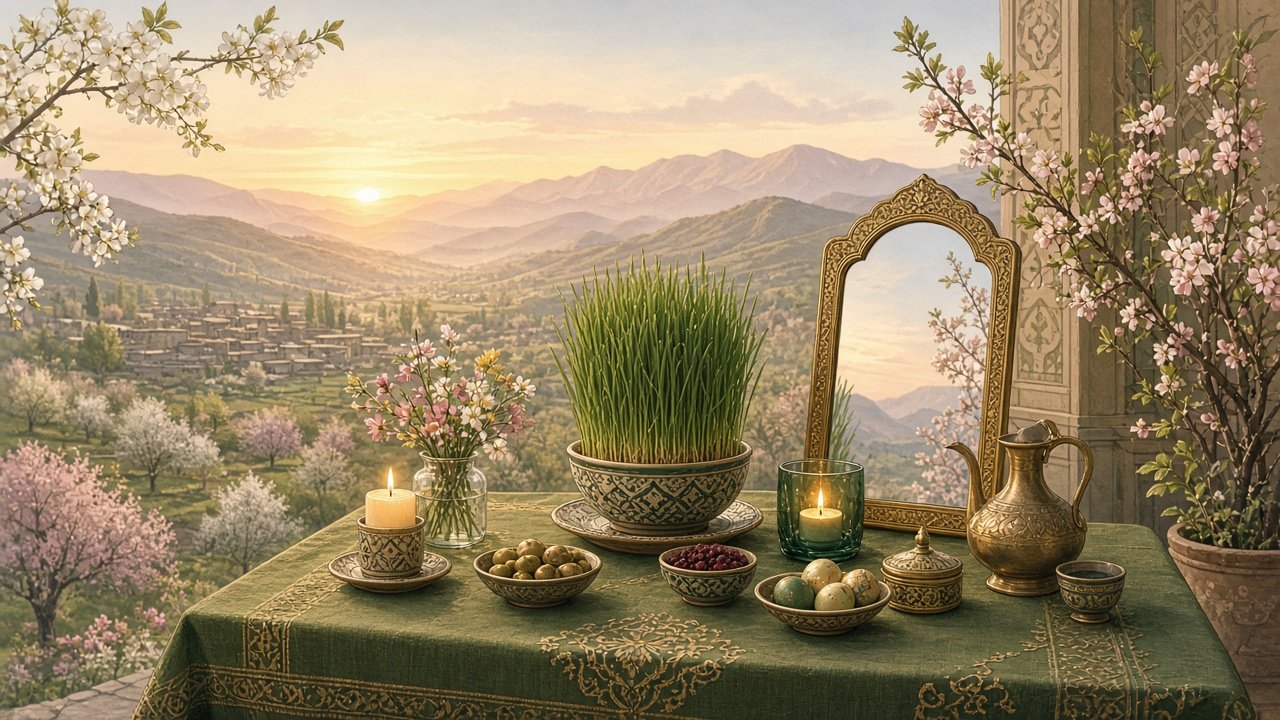
What Nowruz means for the Afghan calendar
Nowruz is the traditional new year celebration tied to the spring equinox. In the Afghan Shamsi (Solar Hijri) calendar, it is also the civil start of the year: day 1 of Hamal. Families gather, schools and offices mark the occasion, and many people reset how they talk about “this year” versus “last year.”
Because Shamsi is solar, the year stays aligned with the seasons. That is different from the lunar Hijri calendar used for many religious observances. Understanding Nowruz helps you convert dates near late March without the one-day (or one-year) mistakes that happen when people assume the year flips on 1 January.
Why Nowruz is sometimes 20 March and sometimes 21 March
The astronomical equinox does not fall at the same clock time every year, and civil calendars approximate that moment. Depending on the year and the convention used, Nowruz can land on 20 or 21 March in the Miladi calendar.
For paperwork, do not memorize a single Miladi date forever. Look up the year you care about with a converter or the Shamsi calendar view. If two sources disagree by one day around Nowruz, check whether they used an astronomical calculation or a simplified civil table—and stick to one consistent method for official forms.
The year boundary that confuses converters
Early Miladi March can still belong to the previous Shamsi year. After Nowruz, dates belong to the new Shamsi year even though Miladi April has not arrived yet in some people’s mental model. Mental offsets like “Miladi year minus 621” fail around this boundary.
Example workflow: if someone gives you a Shamsi date in late Hut (the last month), convert it carefully—those days sit just before the new year. If someone gives 1 Hamal, you are on Nowruz itself. Always enter the full day-month-year triple into the converter instead of adjusting only the year field by hand.
Leap years and the last month (Hut)
In a common Shamsi year, Hut has 29 days. In a leap year, Hut has 30 days. That single extra day shifts how the year closes and can affect conversion tables that were copied from a different year.
If a document claims “30 Hut” in a non-leap year, the date is invalid. Fix the source date before converting. The Shamsi year calendar on this site lets you browse a specific year and see whether Hut includes day 30.
Holidays, culture, and planning around Nowruz
Nowruz is both a cultural celebration and a calendar marker. Travel, school breaks, and family visits often cluster around it. When you plan internationally, convert Shamsi holiday dates to Miladi so flights and hotel bookings match the days your relatives actually mean.
Use the holiday calendar on this site for national and Islamic observances, then convert any Shamsi-listed civil dates you need for foreign systems. Pair that with the month-names guide if you are still learning Hamal and Hut by ear.
Practical checklist near Nowruz
When a date falls within a week of Nowruz, slow down. Confirm whether the speaker means the old Shamsi year or the new one. Confirm the Miladi day with a converter. If the weekday is known, use it as a sanity check.
Afghan Date Converter and the Shamsi calendar views exist so you do not have to keep equinox tables in your head. For deeper month structure, continue with the Solar Hijri guide; for day-to-day conversion, open the home converter and enter the Shamsi fields exactly as written on the document.
- Treat 1 Hamal as the Shamsi new year (Nowruz)
- Expect Miladi Nowruz on ~20 or 21 March depending on the year
- Do not use a fixed year offset near the equinox
- Validate Hut 30 only in leap years
- Convert with a tool, then verify weekday when available
Written for Afghan Date Converter by Khalid Danishyar. For feedback, visit Contact.